
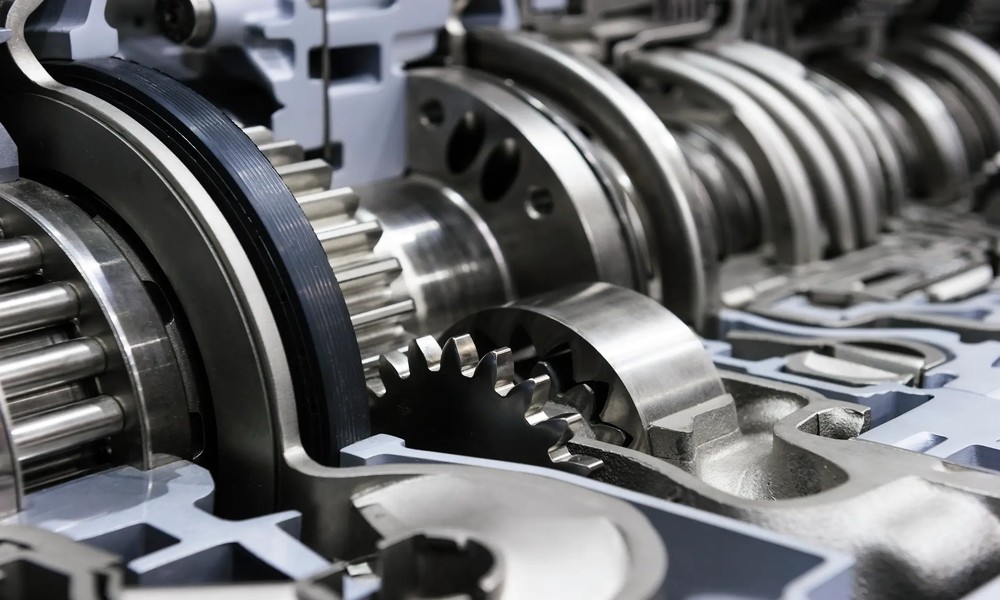
Precision-driven systems depend on smooth coordination between moving components. Efficient setups reduce friction while maintaining steady operational consistency. Modern industries rely on bearings and power transmission for accurate motion. Reliable control improves durability across demanding mechanical environments consistently.
How Does Motion Accuracy Shape System Performance?
Motion accuracy defines how consistently machines deliver expected outputs. Stable rotation ensures minimal deviation during repeated operational cycles. Reduced friction allows components to function without excessive resistance buildup. This stability supports predictable outcomes across varying mechanical conditions.
Reliable Rotation Control In Complex Machinery
Consistent rotation keeps mechanical systems functioning without unnecessary interruptions. Properly designed components ensure balanced interaction between moving surfaces. This helps maintain controlled speed and minimizes sudden performance fluctuations. Gradual motion improves overall efficiency across extended operating periods.
- Balanced rotation reduces unexpected vibration during operation
- Stable movement supports consistent output across workloads
- Reduced friction prevents unnecessary mechanical stress buildup
- Smooth transitions enhance equipment operational reliability
Effective rotation control prevents irregular motion patterns over time. It supports seamless operation during demanding mechanical conditions. Systems continue performing without sudden interruptions or instability concerns.
Why Load Distribution Impacts Mechanical Longevity?
Uneven load distribution creates stress concentrations within mechanical assemblies. This leads to faster wear across specific contact surfaces. Balanced force application allows components to share operational pressure evenly. As a result, machines experience fewer breakdowns during prolonged usage.
Consistent load handling supports stable movement without sudden resistance spikes. Systems operate efficiently when forces remain evenly distributed. This approach improves durability while maintaining reliable mechanical performance.
Optimizing Force Transfer For Consistent Output
Energy must move smoothly between interconnected components for reliable results. Proper transfer ensures minimal loss during operational cycles. Mechanical systems depend on structured pathways for controlled energy flow. Efficient setups reduce unnecessary strain during continuous movement processes.
- Smooth transfer minimizes energy loss across components
- Structured pathways ensure steady force distribution levels
- Reduced resistance supports consistent mechanical interaction flow
- Balanced energy flow enhances system reliability overall
Improved transfer ensures machines maintain steady operational efficiency. It prevents sudden performance drops during extended usage cycles. Systems deliver dependable results without excessive energy waste.
Reducing Wear Through Precision Component Interaction
Precise interaction between components reduces surface degradation over time. Smooth contact ensures minimal resistance during continuous movement cycles. Machines benefit from reduced friction and improved energy efficiency, bearings and power transmission support this balance through controlled motion delivery.
- Smooth contact minimizes surface damage during operation
- Reduced friction lowers unnecessary energy consumption levels
- Balanced interaction improves long term component durability
- Consistent motion prevents sudden mechanical stress buildup
Reduced wear extends system lifespan across demanding environments. It ensures consistent output without frequent maintenance interruptions. Machines remain efficient even under continuous operational stress.
Enhancing Stability With Proper Installation Practices
Proper installation ensures components function within intended performance limits. Accurate positioning prevents early wear and unnecessary friction buildup. Systems operate smoothly when assemblies remain correctly secured. Stability improves significantly when installation follows precise mechanical standards.
Careful setup supports long term reliability across different operating conditions. Machines maintain steady motion without unexpected disruptions. This ensures consistent output during extended usage cycles.
What Causes Sudden Efficiency Drops In Systems?
Sudden efficiency drops often result from improper component interaction. Increased friction leads to energy loss during operational cycles. Misalignment and wear contribute to inconsistent motion patterns quickly. These issues gradually reduce overall system performance levels.
Addressing root causes helps restore smooth mechanical function effectively. Systems regain stability when components operate within proper limits. This prevents recurring disruptions and maintains consistent output.
Practical Integration Across Diverse Mechanical Environments
Mechanical environments vary based on operational intensity and requirements. Systems must adapt to different conditions without losing performance consistency. Reliable motion ensures equipment functions smoothly across multiple applications. Balanced interaction supports efficiency regardless of operational complexity.
Careful integration allows systems to maintain steady performance over time. Machines operate efficiently when components remain properly coordinated. This supports continuous output without unexpected disruptions or inefficiencies.