
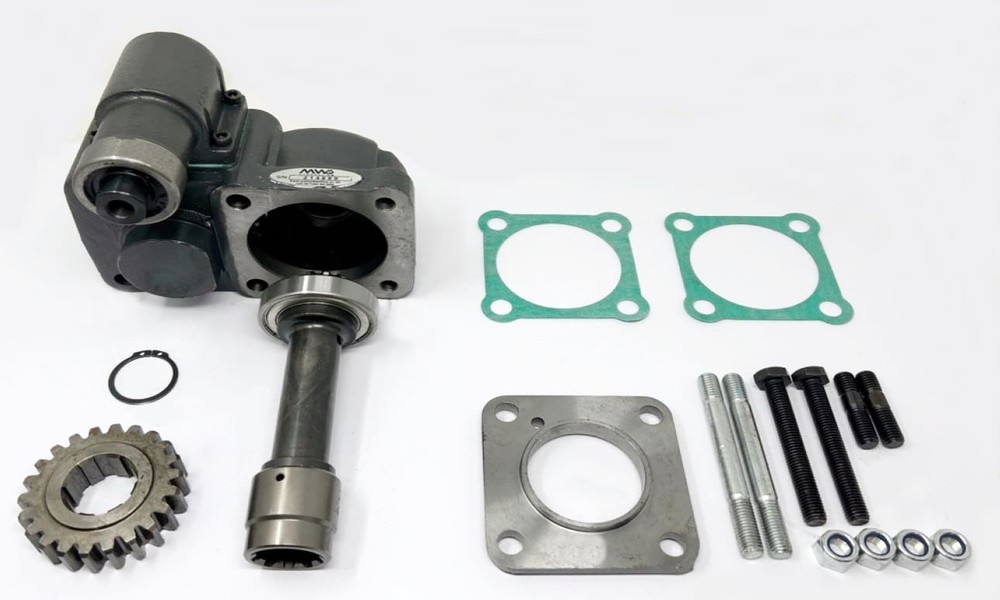
When specifying hydraulic equipment for commercial vehicles, choosing the correct wet kit configuration is critical. Selecting the wrong setup can limit performance, reduce efficiency and restrict the type of work your vehicle can undertake.
At MW Hydraulics, part of MW Truck Parts Ltd, we supply professional-grade hydraulic wet kit systems designed for real-world commercial applications across the UK haulage and plant sectors.
In this guide, we break down the practical differences between single-line, twin-line and tri-line systems – and when each should be used.
Explore our hydraulic range here:
https://mwtruckparts.co.uk/product-category/hydraulic-parts/
What Is a Hydraulic Wet Kit?
A hydraulic wet kit provides the power required to operate auxiliary equipment fitted to a truck or tractor unit.
A typical kit includes:
- Hydraulic pump
- Oil tank (reservoir)
- PTO Kits for Trucks
- Control valve(s)
- Fittings and pipework
Note: Hoses are not supplied within our wet kits, as hose specification is often application-specific and a specialist area. Many operators prefer to source hoses separately based on exact routing and pressure requirements.
Single Line Hydraulic Systems
(Primarily for Bulk Tipping Applications)
A single-line system is most used for:
- Bulk tippers
- Semi-tipping trailers
- Standard tipping operations
This setup uses a pressure line with return via the same circuit, making it suitable for tipping bodies that do not require continuous high oil flow.
Why Choose Single Line?
- Simple and proven configuration
- Cost-effective
- Ideal for dedicated tipping vehicles
- Lower complexity
If your operation is strictly tipping-based, a single-line system is typically the correct and efficient choice.
Twin Line Hydraulic Systems
(Designed for Walking Floor, Blowing Equipment & Specialist Applications)
A twin-line system is not primarily for tipping.
It is designed for:
- Walking floor trailers
- Blowing equipment (e.g. bulk feed / powder transfer)
- Cranes
- Hook loaders
These applications require:
- Higher operating pressure
- Greater oil flow per minute
- Dedicated flow and return lines
Twin-line systems provide the constant flow and pressure stability needed for continuous hydraulic demand.
Why Choose Twin Line?
- Supports high oil volume requirements
- Designed for demanding hydraulic functions
- Better suited to specialist equipment
For operators running moving floor or blower trailers, twin line is the correct technical specification.
Tri Line Hydraulic Systems
(For Operators Running Mixed Applications)
A tri-line system combines both tipping and walking floor capability.
It allows operators to switch between:
- Tipping operation (single-line function)
- Walking floor / high-demand equipment (twin-line function)
This is achieved using a diverter or changeover valve.
Ideal For:
- Fleets running mixed trailer types
- Hauliers wanting maximum vehicle flexibility
- Operators switching between tipping and walking floor contracts
Tri-line systems are especially popular with companies who want one tractor unit capable of handling multiple types of work.
Choosing the Right System for Your Operation
When specifying a wet kit, consider:
- Type of trailer(s) used
- Oil flow requirements
- Pressure demands
- Future fleet flexibility
- Whether the vehicle will perform mixed duties
Specifying incorrectly can lead to performance limitations or costly upgrades later.
At MW Hydraulics, we advise customers based on real application requirements – not generic kit descriptions.
Why Work with MW Hydraulics?
As part of MW Truck Parts Ltd, we supply:
Our focus is on supplying equipment suitable for UK commercial vehicle operators – whether independent hauliers or fleet businesses.
View our hydraulic parts range here:
https://mwtruckparts.co.uk/product-category/hydraulic-parts/
Need Advice on the Right Wet Kit?
If you’re unsure whether your vehicle requires single-line, twin-line or tri-line configuration, speak to our team before ordering.
The right system supports performance.
The wrong system limits it.