
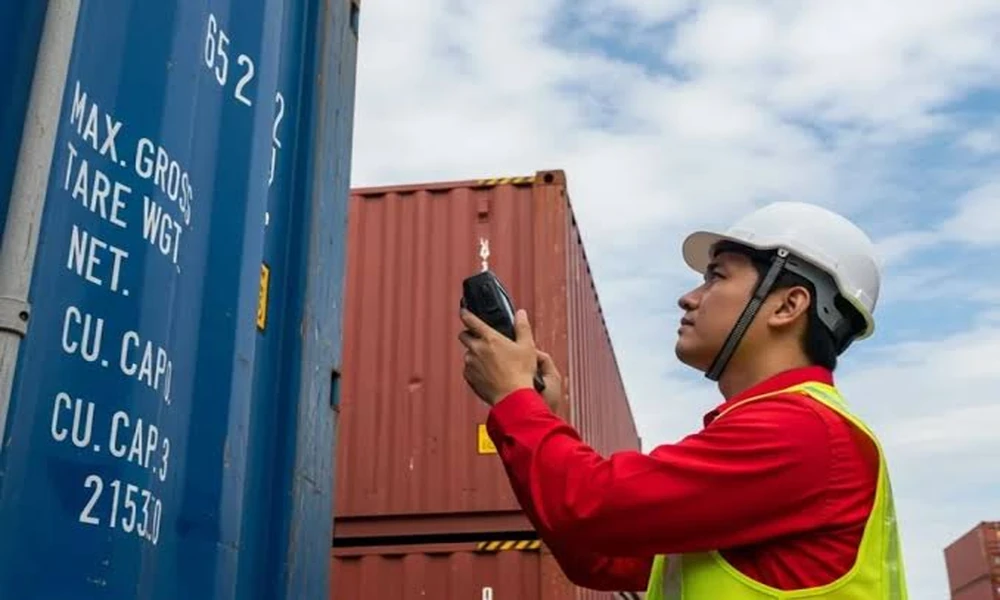
International shipping may seem easy to start. You just pack the goods, fill out the paperwork, give the shipment, and wait for it to arrive. But that is not all. Each shipment across the border needs to follow a lot of rules. The product descriptions, types, paperwork, packaging, and transport rules can all change if cargo moves fast or gets delayed.
One area that should get special focus is restricted items shipping. A product does not need to be fully banned to have a problem with shipping. Some things can be sent only when certain steps, permits, or papers are met. You need to know those rules before you send your goods. This can keep you from running into problems down the line.
Quick Answer
International customs delays can often be cut down if you do a few things. Classify goods the right way, point out if anything is restricted or could be dangerous, and get the paperwork that you need ready. Use proper packing and the right labels. Before you send things out, remember to check if there are any rules for imports.
It’s also good for companies to check things early. This gives them time to fix any rule problems before their cargo goes into shipping.
The Hidden Problem: “Legal to Sell” Does Not Always Mean “Simple to Ship”
A product can be good for commercial sale. But it may still need more checks when it is moved.
Take for example the items that you use in your daily life, such as cosmetics, electrical equipment, batteries, foodstuffs, chemicals, and liquids. The means and methods through which these goods will be shipped depend on the composition of these products, how they are packed, quantity, and shipping method.
This brings up an important difference:
Not all commercially available products are always transportable.
Companies who overlook this very important factor may get to know the new regulations about transport only when the consignment is already under way.
What Are the Three Questions That Will Help Determine Shipping Risks?
It can be very effective to ask three simple questions to screen any consignment before it leaves the warehouse or fulfilment center.
1. What is inside the package?
A vague description can make people feel unsure. Words like “equipment,” “samples,” or “personal items” do not give enough details for people to decide what something is.
A clear and specific product description helps people know the right customs and transport rules to use.
2. Does the product contain anything controlled?
The main product may look safe, but it can have a part in it that changes how it must be shipped.
Batteries, pressurised containers, flammable stuff, chemicals, and some liquids are examples that may need more checks.
The important thing is to look at the real things and traits in the shipment. Do not just trust the product’s main type.
3. What evidence supports the declaration?
A declaration is most helpful when the sender can back it up with the right papers. These might be anything from commercial invoices, permits, certificates, safety information, or other types of technical documents depending on the product.
Proper documentation helps highlight the connection between the exported products and the information presented by the shipper to the customs authority or carrier.
Why Can a Shipment Go Wrong Before Custom Ever Checks It?
While customs clearance is considered the major issue related to compliance, it is possible to have problems even before that.
Incorrect classification will cause inaccurate documentation. It results in improper packaging and inaccurate declaration. In addition, it may lead to inspections or delays.
This chain proves that compliance must not be viewed as a task to complete at the end of the process. As soon as you detect a problem, it can be solved easily.
Packaging and labeling play a crucial role in case of products requiring special treatment. Even if the quality of the product is good, it is improper preparation that may cause troubles during transportation.
How Should Businesses Evaluate Shipping Risk?
A practical compliance review has a few main parts that are linked together.
| Risk area | What to check |
|---|---|
| Product | Exact contents and characteristics |
| Classification | Appropriate customs classification |
| Restrictions | Whether additional conditions apply |
| Documentation | Required certificates, permits, and declarations |
| Packaging | Whether the packaging suits the product |
| Labelling | Whether required information is clearly displayed |
| Import requirements | Rules that may affect acceptance |
This way of working helps us focus on more than just filling out forms. The goal is to make sure you can know, write down, move, and clear the shipment the right way.
What Happens When Compliance Problems Are Found Too Late?
If someone finds a compliance problem before the delivery starts, it is usually easy to fix. But if the same problem shows up after the transport has begun, it can cause a lot more trouble.
Depending on what is happening, businesses can have extra checks. They may have to show more papers. There can be rules for storage. It is possible that the shipment slows down. Sometimes, things get sent back to the sender. There may be added handling costs that come up when you do not expect them.
The result can change based on the product, rules in place, what the carrier needs, and how customs work. These things may not be the same for every product or for every shipment. It is better to check everything early than to try to fix a problem after your goods have been stopped.
How Can Businesses Build Compliance Into Their Shipping Routine?
The best process does not have to be hard to set up or understand. A company can use a quick review before they ship any new products or items they do not know well. This can also help with products that might need extra checks.
A simple sequence can be used:
Product → Classification → Restrictions → Documents → Packaging → Labels → Import requirements
This helps make compliance a regular part of the work. It is not just something people do when there is a problem.
For products that get shipped often, businesses can keep their own product records. These records should have details about classification, paperwork, packaging steps, and tips for handling. When there is a change in products or rules, update the records. This will help make the next shipment easier to get ready.
Key Takeaways
- A product that can be sold might still need extra steps before it can be shipped.
- Things that are restricted and things that are banned do not always mean the same thing.
- A clear product description helps put the right label on it.
- Items that might be under special rules should be found before sending.
- paperwork must be ready before a package goes into the shipping system.
- The way the box looks and the labels that go on it can change if the package gets moved and delivered the right way.
- Checking for rules early can help keep customs from stopping your shipment for no reason.
- A steady step-by-step plan before shipping can help global orders go smoother.
Conclusion
International customs compliance helps to cut down on uncertainty before a shipment starts. Businesses that know their products, make sure they use the right classifications, get all papers ready, and check how items are handled can spot trouble early in the shipping process. By using a trusted restricted items shipping reference as a step before sending out goods, businesses can know which items need extra care and which rules matter most before cargo moves into the supply chain.